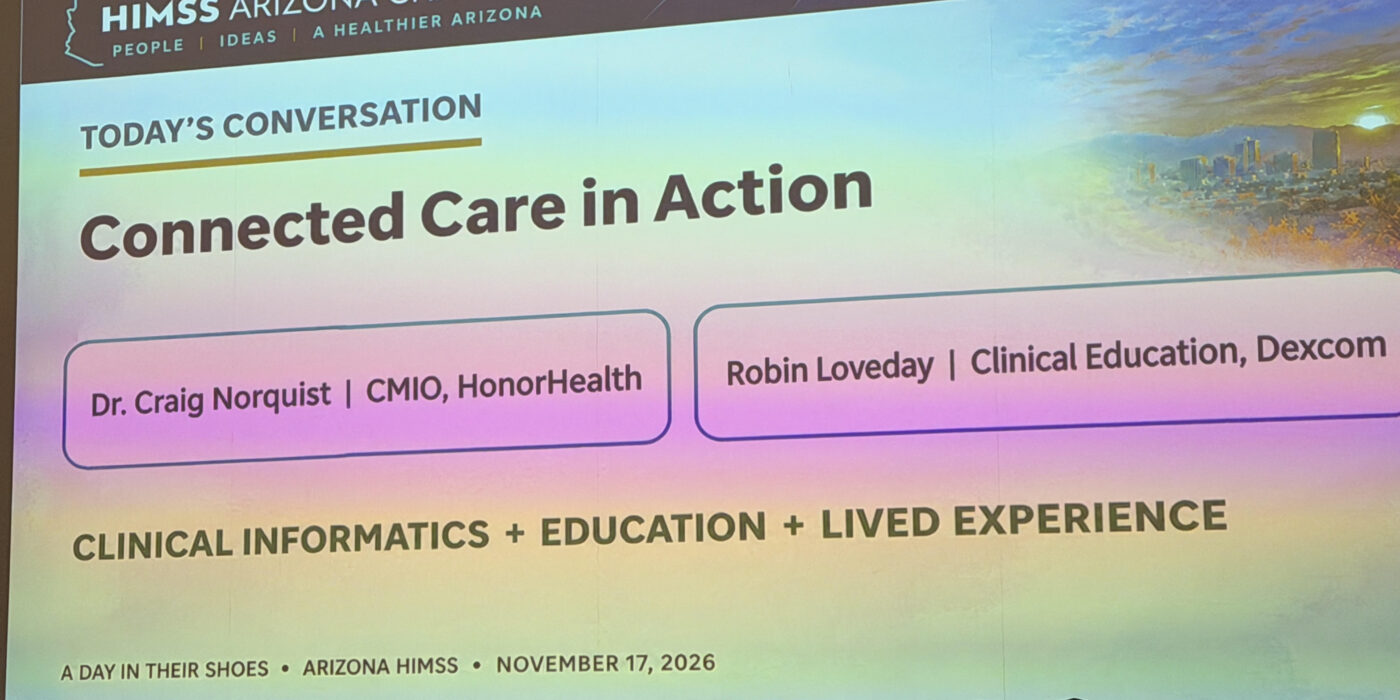
I sat in a lunch event at Honor Health this week, listening to Dr. Craig Norquist and Robin Loveday lead a HIMSS Arizona panel on managing Type 1 Diabetes (T1D) with clinical informatics. The numbers alone are enough to make your head spin—1.5 million folks in the US, most of them not kids, but right in the thick of working adult life. But those stats faded into the background the moment real patients and families started talking about what daily life with T1D means for them.
One panelist, Daniel, laid it bare: 31 years, 70,000 injections. Another, an athlete, spoke right to my inner skeptic—because staying in the game (literally) while battling invisible variables takes a kind of focus and grit you can’t fake. It was honest, raw, and frankly, more impactful than any product demo I’ve ever seen in tech.
People love to talk about the advances—continuous glucose monitors, apps that connect readings to your doctor in real time, pumps that auto-adjust your insulin. And yeah, as someone who’s placed IT pros into Arizona’s top health tech shops, I love a tool that works. But these folks reminded me it’s never just about the tech. You hand someone a smart device or dashboard and you also hand them hours of new learning, on top of everything else they worry about.
A mother on the panel told us about watching her teenager wrestle with a tidal wave of data from a new monitor. She called it a blessing—and a curse. Data, when you’re drowning, can make things harder. The trick, she said, was real human support: educators who speak like people, doctors who listen, friends who double-check carb counts at dinner. Turns out, the best analytics in the world don’t mean much if there’s no team around to help you make sense of it.
I walked away thinking about every IT leader I’ve known who’s been seduced by dashboards and APIs but never sat next to someone managing their health minute by minute. If you build health tech, here’s my opinion: watch these patient panels. Borrow their grit. Build for their real lives, not your feature list. Because tech, when it works, should help you live the life you want—not feel like another full-time job.
Here’s what keeps echoing: People aren’t numbers. Behind every data point is a story. And sometimes the most powerful thing isn’t a new device, but a moment of empathy or encouragement right when someone’s balancing the next shot, the next meal, the next meeting.
So, if you’re in IT or healthcare, ask yourself: How am I building for the person—not just the problem?